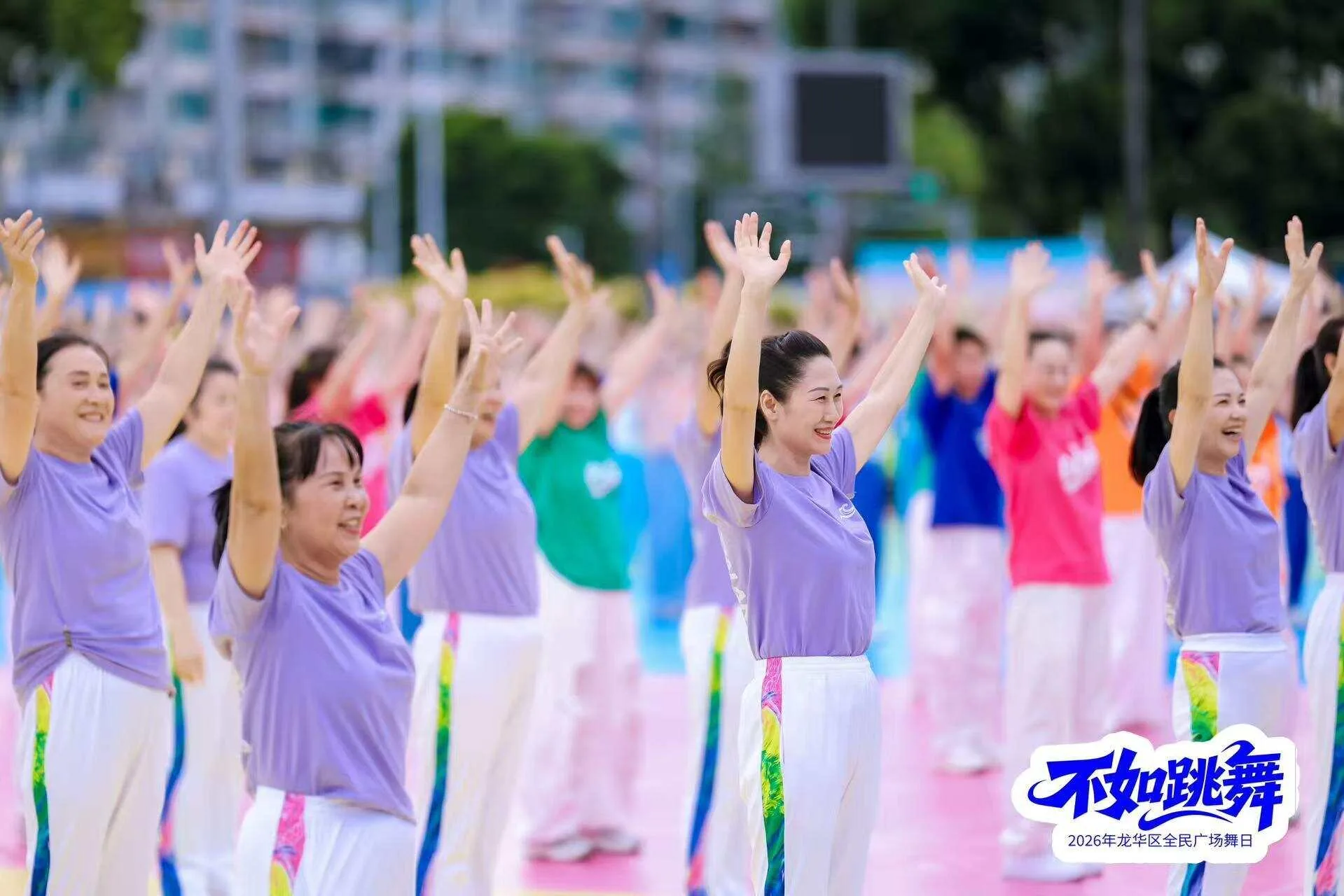
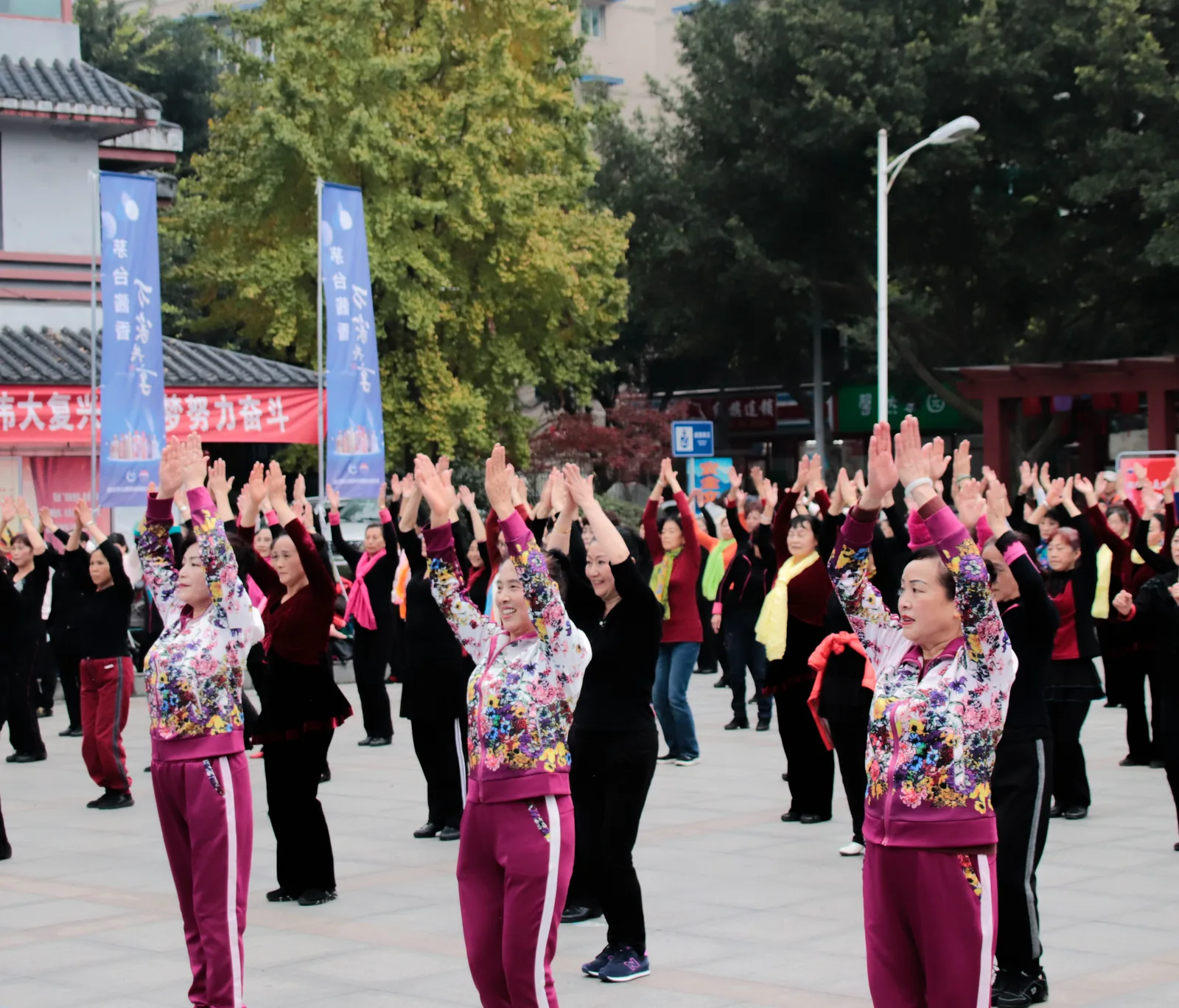
A large crowd of dancers in matching purple outfits raises their arms in unison on an open plaza

GUANGCHANGWU · 广场舞

Guangchangwu

Understanding China's Public Square Dancing

A field guide to the people, movement, public spaces, social structures, and everyday life surrounding Guangchangwu (广场舞).

Mass plaza-dancing event in China

Start with the definition

A Living Practice in Public Space

Guangchangwu is one of the most visible forms of organized public dancing in contemporary China. But it is more than exercise or entertainment.

It is also a way people occupy public space, build social relationships, learn movement, negotiate boundaries, and create community.

Guangchangwu (广场舞) is group dancing practiced in public spaces across China, usually to recorded music and organized around repeated routines.

Read the source-backed overview →

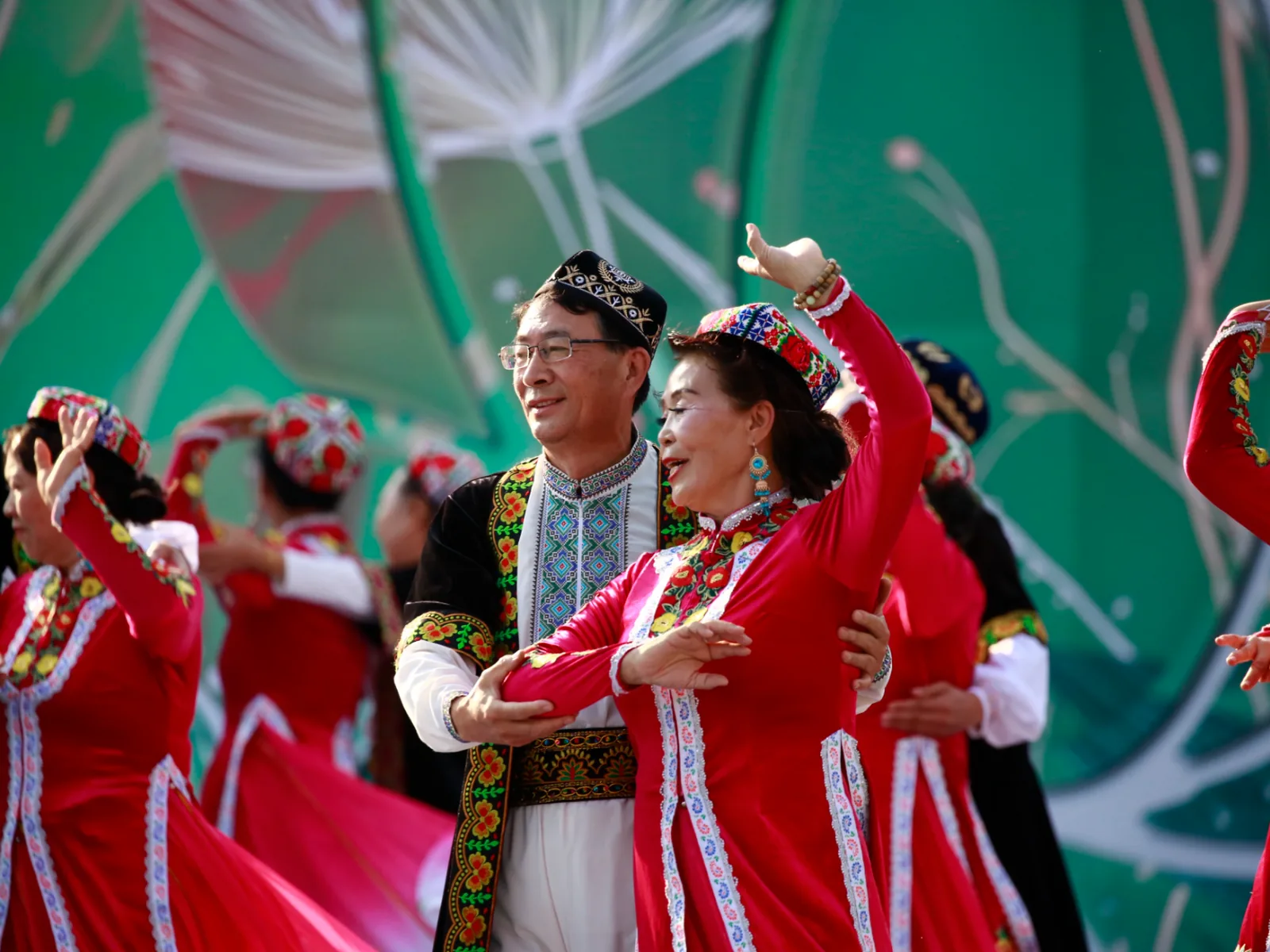
Two dancers in red and white outfits move together during a group dance
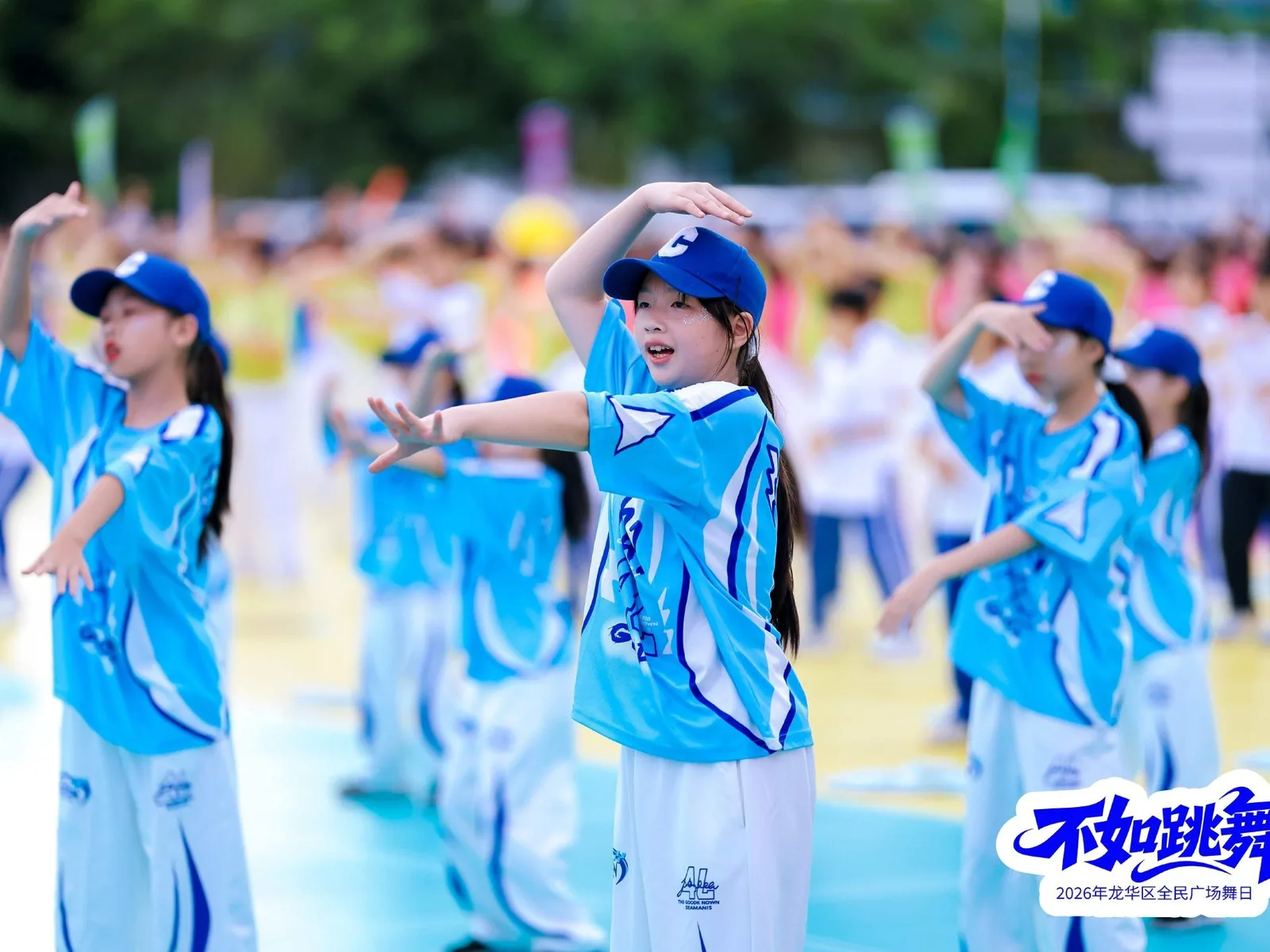
Dancers in matching outfits during a group routine

Three ways in

Three ways to understand Guangchangwu

Field geography

WHERE IT HAPPENS

Guangchangwu is fundamentally a public-space phenomenon: it follows shade, pavement, schedules and neighbours — wherever a group can gather and move together.

  • Parkshade and daily routines
  • Plazaopen hardscape, large groups
  • Riversidepaths and embankments
  • Residential Communitycourtyards near home
  • Sports Groundtracks after hours
  • Open Urban Spaceshared civic ground

Explore places →

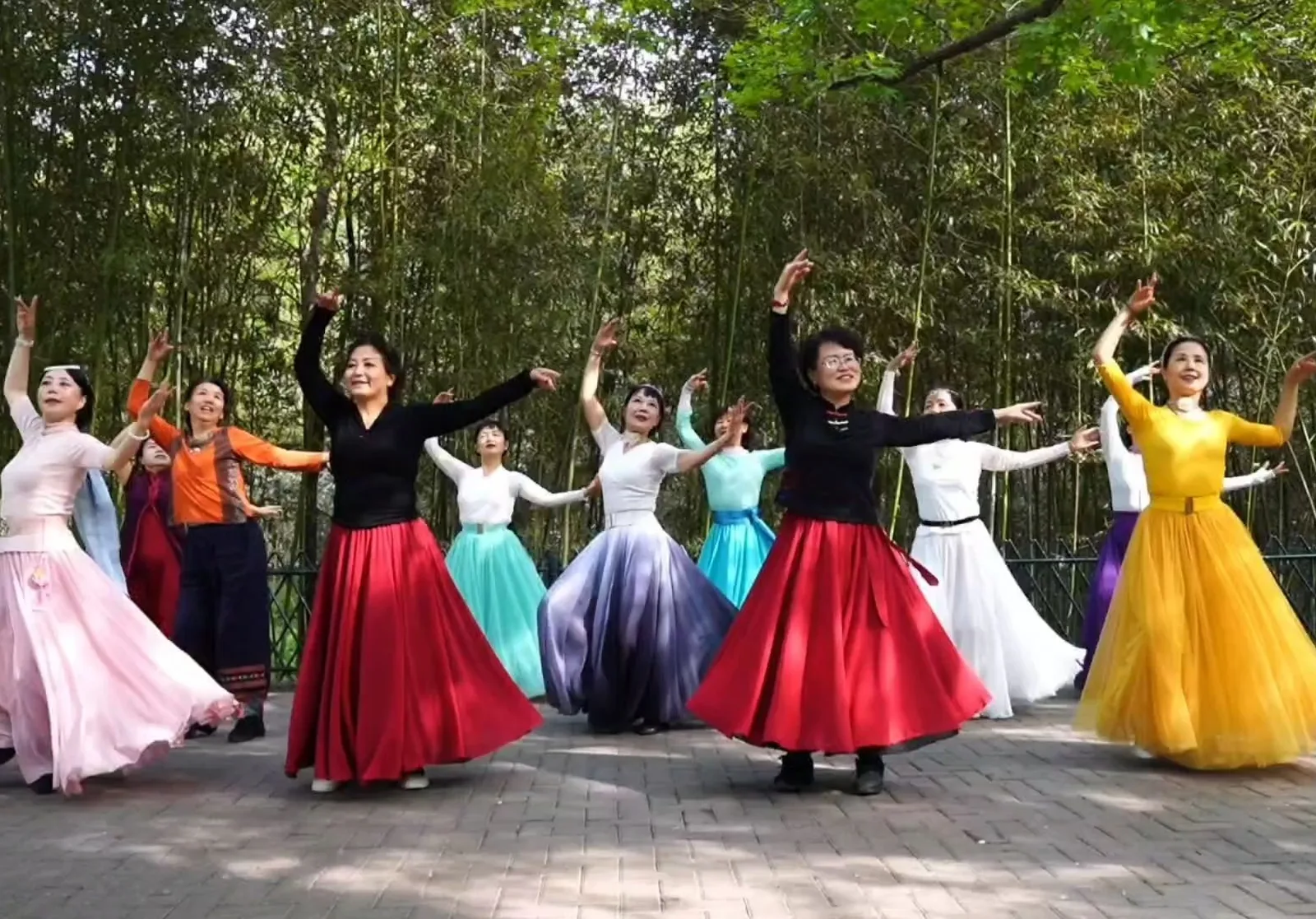
Dancers in long, colorful skirts raise their arms in unison on a plaza
Dancers in colorful skirts on a public plaza
Dancers raise their arms before a traditional Chinese gateway decorated with red banners
Group dancing before a traditional gateway

People

WHO DANCES?

Guangchangwu has no single demographic profile. Documented participants include:

  • older women
  • middle-aged participants
  • men
  • younger participants
  • instructors
  • organizers
  • newcomers
  • observers

Participation changes by place, group and context.

Cultural clarification

TWO WORDS. TWO TRADITIONS.

Guangchangwu

广场舞

Chinese public square dancing

versus

Square Dance

A different historical and social tradition.

Different from Western/American square dance.

Explore the difference →

Archive

Latest field notes

All field notes →
  1. FIELD NOTE

    Chinese Square Dance Steps: A Beginner's Guide to Guangchangwu Movement

    What are the basic steps of Chinese square dancing (guangchangwu)? A practical, accurate guide to the movement vocabulary, routine structure, and how beginners learn steps by following the leader.

  2. FIELD NOTE

    The Most Dazzling Folk Style and Little Apple: Two Roads to the Plaza

    The Most Dazzling Folk Style (最炫民族风) and Little Apple (小苹果) became plaza dances by opposite routes — one built by the public, one engineered from above.

  3. FIELD NOTE

    Guangchangwu Research & Scholarship: Key Studies and Concepts

    A guide to the academic study of guangchangwu (广场舞): the foundational Seetoo 2016 study, the 2026 'atmospheric threshold' concept, health evidence, and the recurring themes scholars investigate.

  4. GLOBAL

    Guangchangwu Around the World: How Chinese Plaza Dancing Went Global

    From Chinese diaspora parks to international stages and TikTok, explore how Guangchangwu traveled abroad, adapted locally, and became a global cultural phenomenon.

  5. PRACTICE

    How to Start Guangchangwu: Chinese Square Dance for Beginners

    Learn how to start guangchangwu from scratch: where to join, what to wear, basic steps, music, etiquette, and how it differs from American square dancing.

  6. PUBLIC SPACE

    Public Space and Sound: Where Guangchangwu Happens

    Where does Guangchangwu happen, and why does sound follow it? Explore plazas, parks, courtyards, speakers, noise rules, and how cities redesign shared public space.

Research & evidence

Researching Guangchangwu

Guangchangwu has been studied through dance, leisure, public space, community participation and everyday life. This site gathers that research and explains it in plain English — every page links its claims to named sources.

Research & Evidence →

Guangchangwu Research & Scholarship →

Frequently Asked Questions

What is Guangchangwu?

Guangchangwu (广场舞) is group dancing practiced in public spaces across China, usually to recorded music and organized around repeated routines.

Is Guangchangwu the same as Western square dancing?

No. The English phrase “square dance” often points to Western or American forms. Guangchangwu is a distinct Chinese practice with its own music, formations and social setting.

Who participates in Guangchangwu?

Participation varies by place, group and context. Research and media often focus on older women, but the practice is not defined by age or gender.

Where does Guangchangwu usually take place?

Parks, plazas, residential courtyards and other everyday urban spaces where people can gather and move together.

What music is used for Guangchangwu?

Recorded songs used in or associated with public dancing — popular, folk and other repertoire documented on this site’s Music pages.

Can beginners learn Guangchangwu?

Yes. Many beginners start by watching a session, joining the back row, and locking a few chorus steps before fuller routines.

Is Guangchangwu only practiced by older women?

Older women are highly visible in research and media coverage, but Guangchangwu is not defined by age or gender. Patterns differ by place, group and context.

Keep Exploring

Guangchangwu is not one dance.

It is a way people move together in public space.

Beyond the square

A living planet, in good company

Guangchangwu is, at its heart, about people gathering in shared public space. We also believe that space belongs to a wider, living world — and we are glad to stand with the projects protecting it. This is a site that cares about wildlife: we support and amplify work like this, and we do our small part so the planet keeps a healthier ecology for every community that moves within it.